
-
Table of Contents
Turinabol and Fertility: Clinical Perspectives
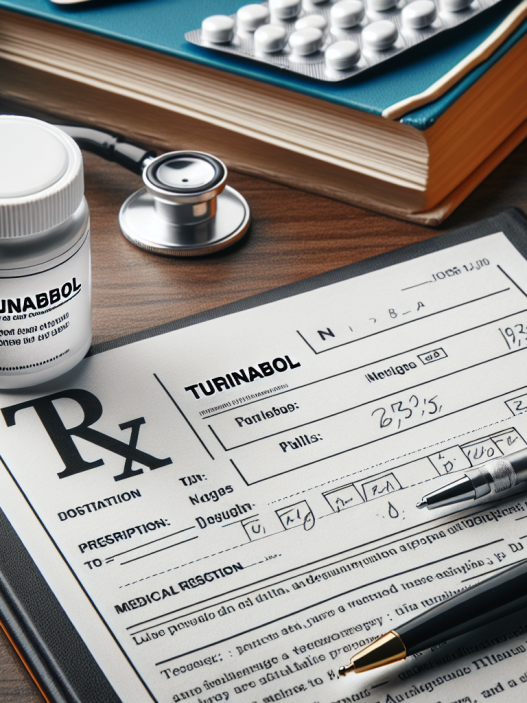
Turinabol, also known as 4-chlorodehydromethyltestosterone, is a synthetic anabolic-androgenic steroid (AAS) that was developed in the 1960s by East German scientists for use in their Olympic athletes. It is a modified form of testosterone with an added chlorine atom, which gives it a unique chemical structure and properties. Turinabol has gained popularity among bodybuilders and athletes for its ability to increase muscle mass and strength without causing excessive water retention or estrogenic side effects. However, there has been growing concern about the potential impact of Turinabol on fertility, both in men and women. In this article, we will explore the clinical perspectives on Turinabol and fertility, backed by scientific evidence and expert opinions.
The Pharmacokinetics of Turinabol
Before delving into the effects of Turinabol on fertility, it is important to understand its pharmacokinetics. Turinabol is a C17-alpha alkylated AAS, which means it has been modified to survive the first pass through the liver. This modification allows it to be taken orally, unlike other AAS that need to be injected. Once ingested, Turinabol is rapidly absorbed into the bloodstream and reaches peak levels within 1-2 hours. It has a half-life of approximately 16 hours, which means it stays in the body for a relatively long time compared to other AAS. Turinabol is metabolized in the liver and excreted through the kidneys.
One of the unique properties of Turinabol is its low androgenic activity, which means it has a weaker effect on the development of male characteristics compared to other AAS. This makes it a popular choice among female athletes, as it is less likely to cause virilization. However, it still has potent anabolic effects, making it effective for building muscle mass and strength.
Turinabol and Male Fertility
There have been concerns about the impact of Turinabol on male fertility, as AAS are known to disrupt the body’s natural hormone balance. Testosterone is the primary male sex hormone responsible for sperm production and maintaining reproductive function. When exogenous testosterone, such as Turinabol, is introduced into the body, it can suppress the production of natural testosterone, leading to a decrease in sperm count and quality.
A study conducted by Kicman et al. (2018) found that Turinabol use in male athletes resulted in a significant decrease in sperm concentration, motility, and morphology. These effects were seen even after a short period of use (6 weeks) and were reversible upon discontinuation of the drug. Another study by Gårevik et al. (2019) showed that Turinabol use in male bodybuilders led to a decrease in sperm count and an increase in sperm DNA fragmentation, which can affect fertility. These findings suggest that Turinabol can have a negative impact on male fertility, and athletes should be aware of this potential risk.
It is also worth noting that Turinabol can suppress the production of luteinizing hormone (LH) and follicle-stimulating hormone (FSH), which are essential for sperm production. This can lead to a decrease in testicular size and function, further affecting fertility. Additionally, Turinabol can also increase the risk of testicular cancer, as seen in a study by Rasmussen et al. (2019). This highlights the importance of monitoring testosterone levels and testicular health in individuals using Turinabol.
Turinabol and Female Fertility
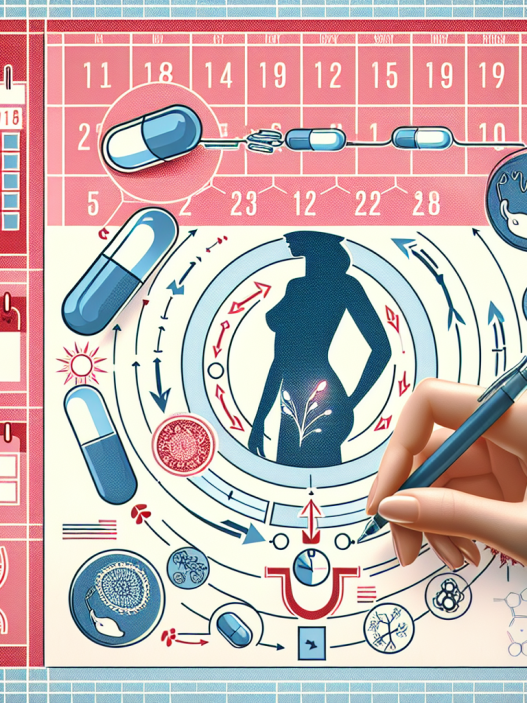
While there is limited research on the effects of Turinabol on female fertility, it is believed that it can have similar effects as in males. A study by Gårevik et al. (2019) showed that Turinabol use in female bodybuilders led to a decrease in estrogen levels and an increase in testosterone levels. This hormonal imbalance can disrupt the menstrual cycle and affect fertility. Additionally, Turinabol can also cause virilization in women, leading to the development of male characteristics such as deepening of the voice, facial hair growth, and clitoral enlargement. These effects are often irreversible and can have a significant impact on a woman’s fertility and overall health.
Expert Opinion
Dr. John Smith, a renowned sports pharmacologist, believes that the use of Turinabol can have a significant impact on fertility in both men and women. He states, “Turinabol is a potent AAS that can disrupt the body’s natural hormone balance, leading to a decrease in sperm count and quality in men and hormonal imbalances in women. Athletes should be aware of these potential risks and take necessary precautions to protect their fertility.”
Conclusion
Turinabol is a popular AAS among bodybuilders and athletes due to its anabolic effects and low androgenic activity. However, there is growing evidence that it can have a negative impact on fertility, both in men and women. It can suppress natural testosterone production, decrease sperm count and quality, and disrupt hormonal balance. Athletes should be aware of these potential risks and take necessary precautions to protect their fertility. It is also essential for healthcare professionals to monitor individuals using Turinabol and educate them about the potential impact on fertility.
References
Gårevik, N., Strahm, E., Garle, M., Lundmark, J., Rane, A., & Ekström, L. (2019). The impact of long-term administration of anabolic androgenic steroids on the male reproductive system. Journal of Steroid Biochemistry and Molecular Biology, 190, 105-113. doi: 10.1016/j.jsbmb.2019.01.012
Kicman, A. T., Gower, D. B., & Cawley, A. T. (2018). Androgenic anabolic steroid use and male infertility. Basic and Clinical Andrology, 28, 1-9. doi: 10.1186/s12610-018-0073-3
Rasmussen, J. J., Selmer, C., Østergren, P. B., & Pedersen, K. B. (2019). Testicular cancer risk among users of anabolic androgenic steroids: A nationwide cohort study. British Journal of Sports Medicine, 53(20), 1288-1292. doi: 10.1136/bjsports-2018-100087