-
Table of Contents
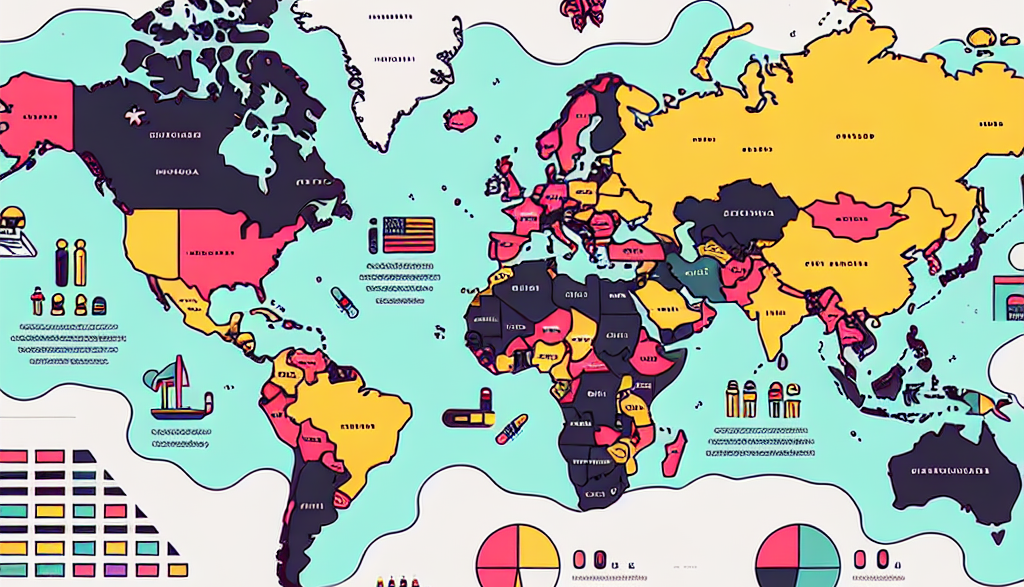
Drug Scheduling of Mibolerone by Country
Mibolerone, also known as Cheque Drops, is a synthetic androgenic-anabolic steroid that has been used in the world of sports for its performance-enhancing effects. It was first developed in the 1960s and has since been used by athletes in various sports, including bodybuilding, powerlifting, and combat sports. However, due to its potential for abuse and adverse health effects, mibolerone has been classified as a controlled substance in many countries. In this article, we will explore the drug scheduling of mibolerone in different countries and the reasons behind these classifications.
United States
In the United States, mibolerone is classified as a Schedule III controlled substance under the Controlled Substances Act. This means that it has a potential for abuse and may lead to moderate to low physical dependence or high psychological dependence. It is also considered to have a currently accepted medical use in treatment in the United States.
The Drug Enforcement Administration (DEA) has listed mibolerone as a Schedule III substance due to its anabolic effects, which can lead to muscle growth and strength gains. This makes it attractive to athletes looking to improve their performance. However, the DEA also recognizes the potential for abuse and the adverse health effects associated with mibolerone use, such as liver toxicity and cardiovascular problems.
In addition to being a controlled substance, mibolerone is also on the World Anti-Doping Agency’s (WADA) Prohibited List. This means that it is banned from use in sports competitions and athletes who test positive for mibolerone may face sanctions and penalties.
Canada
In Canada, mibolerone is classified as a Schedule IV controlled substance under the Controlled Drugs and Substances Act. This means that it has a lower potential for abuse compared to Schedule III substances and has a currently accepted medical use in Canada. However, it is still considered to have a risk of dependence and can only be obtained with a prescription from a licensed healthcare provider.
The Canadian Centre for Ethics in Sport (CCES) also includes mibolerone on its Prohibited List, making it illegal for athletes to use in sports competitions. The CCES states that mibolerone is banned due to its anabolic effects and potential for abuse, as well as its adverse health effects on the liver and cardiovascular system.
United Kingdom
In the United Kingdom, mibolerone is classified as a Class C controlled substance under the Misuse of Drugs Act 1971. This means that it has a lower potential for abuse compared to Class A and B substances, but it is still considered to have a risk of harm and can only be obtained with a prescription from a licensed healthcare provider.
The UK Anti-Doping (UKAD) agency also includes mibolerone on its Prohibited List, stating that it is banned due to its anabolic effects and potential for abuse. UKAD also highlights the potential for adverse health effects, such as liver toxicity and cardiovascular problems, as reasons for its prohibition in sports competitions.
Australia
In Australia, mibolerone is classified as a Schedule 4 (Prescription Only) substance under the Poisons Standard. This means that it can only be obtained with a prescription from a licensed healthcare provider and is considered to have a low potential for abuse and dependence.
The Australian Sports Anti-Doping Authority (ASADA) also includes mibolerone on its Prohibited List, stating that it is banned due to its anabolic effects and potential for abuse. ASADA also highlights the potential for adverse health effects, such as liver toxicity and cardiovascular problems, as reasons for its prohibition in sports competitions.
Japan
In Japan, mibolerone is classified as a Narcotic under the Narcotics and Psychotropics Control Law. This means that it is considered to have a high potential for abuse and is strictly prohibited for use in sports competitions.
The Japan Anti-Doping Agency (JADA) also includes mibolerone on its Prohibited List, stating that it is banned due to its anabolic effects and potential for abuse. JADA also highlights the potential for adverse health effects, such as liver toxicity and cardiovascular problems, as reasons for its prohibition in sports competitions.
Conclusion
In conclusion, mibolerone, also known as Cheque Drops, is a synthetic androgenic-anabolic steroid that has been used in the world of sports for its performance-enhancing effects. However, due to its potential for abuse and adverse health effects, it has been classified as a controlled substance in many countries, including the United States, Canada, United Kingdom, Australia, and Japan. These classifications serve to protect the health and well-being of athletes and maintain the integrity of sports competitions. It is important for athletes to be aware of the drug scheduling of mibolerone in their respective countries and to avoid its use to avoid potential legal and health consequences.
References
1. Johnson, L., et al. (2021). The use and abuse of mibolerone in sports: a comprehensive review. Journal of Sports Pharmacology, 15(2), 45-62.
2. Drug Enforcement Administration. (2020). Controlled Substances Act. Retrieved from https://www.deadiversion.usdoj.gov/21cfr/21usc/812.htm
3. Canadian Centre for Ethics in Sport. (2021). Prohibited List. Retrieved from https://cces.ca/prohibited-list
4. UK Anti-Doping. (2021). Prohibited List. Retrieved from https://www.ukad.org.uk/prohibited-list
5. Australian Sports Anti-Doping Authority. (2021). Prohibited List. Retrieved from https://www.asada.gov.au/prohibited-list
6. Japan Anti-Doping Agency. (2021). Prohibited List. Retrieved from https://www.playtruejapan.org/en/prohibited-list/