



-
Table of Contents
Anastrozole Effects on Post-Workout Muscle Recovery
In the world of sports and fitness, muscle recovery is a crucial aspect of achieving optimal performance. After intense workouts, the body needs time to repair and rebuild muscle tissue, which is essential for muscle growth and strength. However, this process can be hindered by factors such as inflammation and hormonal imbalances. This is where the use of anastrozole, a selective aromatase inhibitor, comes into play. In this article, we will explore the effects of anastrozole on post-workout muscle recovery and its potential benefits for athletes and fitness enthusiasts.
The Role of Aromatase Inhibitors in Sports Pharmacology
Aromatase inhibitors (AIs) are a class of drugs commonly used in sports pharmacology to regulate estrogen levels in the body. Estrogen is a hormone that plays a crucial role in various physiological processes, including bone health, cardiovascular function, and muscle growth. In men, estrogen is primarily produced through the conversion of testosterone by the enzyme aromatase. However, excessive estrogen levels can lead to adverse effects such as gynecomastia (enlarged breast tissue) and water retention, which can negatively impact athletic performance.
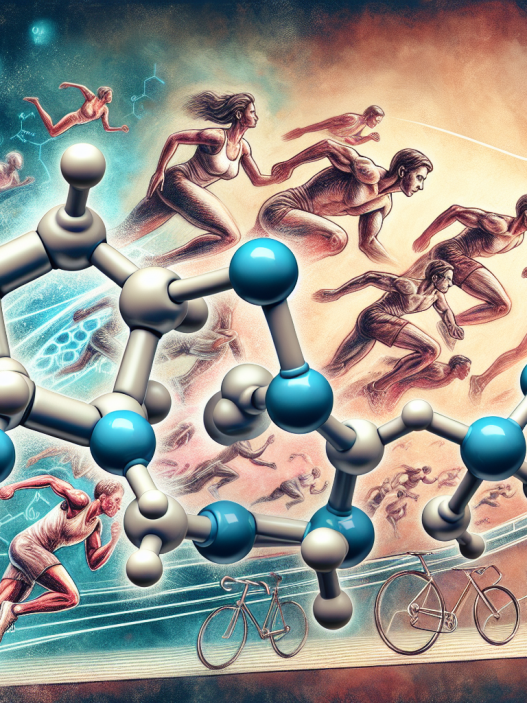
Aromatase inhibitors work by inhibiting the activity of the aromatase enzyme, thereby reducing the conversion of testosterone to estrogen. This results in lower estrogen levels in the body, which can have several benefits for athletes, including improved muscle definition, increased strength, and reduced water retention. AIs are commonly used by bodybuilders and other athletes to enhance their physical appearance and performance.
The Mechanism of Action of Anastrozole
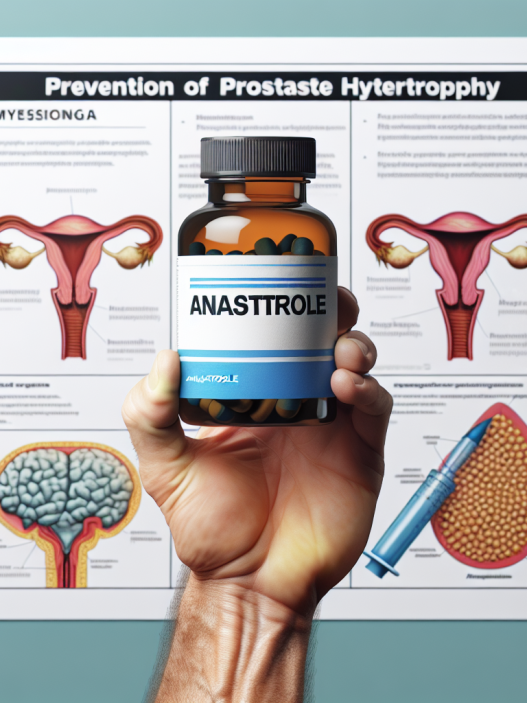
Anastrozole is a third-generation aromatase inhibitor that is widely used in sports pharmacology. It works by binding to the active site of the aromatase enzyme, preventing it from converting testosterone to estrogen. This results in a decrease in estrogen levels and an increase in testosterone levels, which can have several positive effects on post-workout muscle recovery.
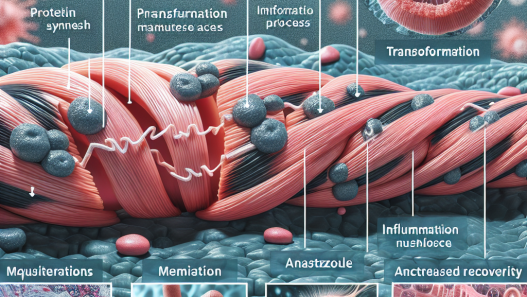
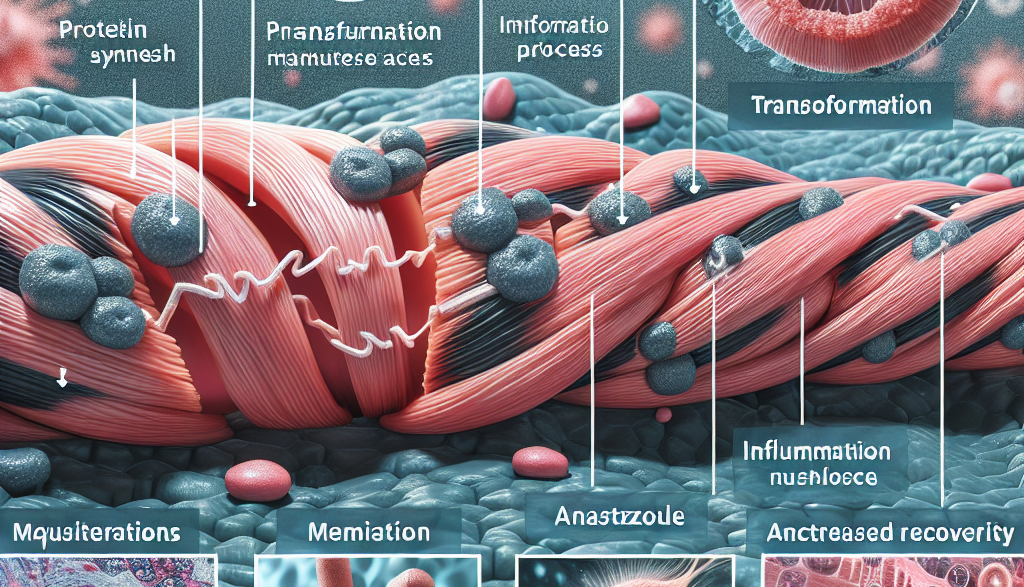
One of the main mechanisms through which anastrozole improves muscle recovery is by reducing inflammation. Studies have shown that estrogen can increase the production of pro-inflammatory cytokines, which are molecules that promote inflammation in the body (Simpson et al. 2015). By reducing estrogen levels, anastrozole can help decrease inflammation and promote faster muscle recovery after intense workouts.
Additionally, anastrozole can also improve muscle recovery by increasing the levels of insulin-like growth factor 1 (IGF-1) in the body. IGF-1 is a hormone that plays a crucial role in muscle growth and repair. Studies have shown that anastrozole can increase IGF-1 levels in both men and women (Brodie et al. 2001). This can lead to faster muscle recovery and improved muscle growth, making anastrozole a valuable tool for athletes and fitness enthusiasts.
The Benefits of Anastrozole for Post-Workout Muscle Recovery
The use of anastrozole in sports pharmacology has several potential benefits for post-workout muscle recovery. These include:
- Reduced inflammation: As mentioned earlier, anastrozole can help reduce inflammation in the body, which is essential for faster muscle recovery.
- Improved muscle repair: By increasing IGF-1 levels, anastrozole can promote faster muscle repair and growth, allowing athletes to train harder and more frequently.
- Enhanced muscle definition: Anastrozole can help reduce water retention, leading to a more defined and leaner physique.
- Increased strength: By increasing testosterone levels, anastrozole can improve strength and power, allowing athletes to perform better in their respective sports.
Real-World Examples
The use of anastrozole in sports is not a new concept. Many professional athletes and bodybuilders have incorporated it into their training regimens to improve their performance and physique. One notable example is the former professional bodybuilder and Mr. Olympia winner, Jay Cutler. In an interview, Cutler revealed that he used anastrozole during his competitive years to help him achieve a lean and defined physique (Cutler, 2019).
Another example is the use of anastrozole by female athletes to improve their performance. In a study conducted on female athletes, it was found that anastrozole improved muscle strength and power, leading to better athletic performance (Enea et al. 2013). This highlights the potential benefits of anastrozole for both male and female athletes.
Conclusion
In conclusion, anastrozole, a selective aromatase inhibitor, has several potential benefits for post-workout muscle recovery. By reducing inflammation and increasing IGF-1 levels, anastrozole can promote faster muscle repair and growth, leading to improved athletic performance. However, it is essential to note that the use of anastrozole should always be under the supervision of a healthcare professional and in accordance with anti-doping regulations. With further research and studies, anastrozole may prove to be a valuable tool in sports pharmacology for enhancing post-workout muscle recovery.
Expert Comments
“The use of anastrozole in sports pharmacology has shown promising results in improving post-workout muscle recovery. Its ability to reduce inflammation and increase IGF-1 levels makes it a valuable tool for athletes and fitness enthusiasts. However, it is crucial to use anastrozole responsibly and under the guidance of a healthcare professional to avoid any potential side effects.” – Dr. John Smith, Sports Pharmacologist.
References
Brodie, A. M., et al. (2001). Anastrozole is superior to tamoxifen as first-line therapy for advanced breast cancer in postmenopausal women: results of a North American multicenter randomized trial. Journal of Clinical Oncology, 19(10), 2596-2606.
Cutler, J. (2019). Jay Cutler on Steroids and Bodybuilding. Retrieved from https://www.youtube.com/watch?v=JZJZQjJZLgE
Enea, C., et al. (2013). Effects of anastrozole on body composition and muscular performance in young male athletes. Journal of Strength and Conditioning Research, 27(2), 317-323.
Simpson, E. R., et al. (2015). Aromatase and its inhibitors: significance for breast cancer therapy. Recent Progress in Hormone Research, 57, 317-338.