





-
Table of Contents
- Anastrozole and Testosterone: Controversial Duo in Sports
- The Role of Testosterone in Sports
- The Controversy Surrounding Testosterone Use in Sports
- The Role of Anastrozole in Sports
- The Debate on Anastrozole Use in Sports
- Expert Opinion on Anastrozole and Testosterone Use in Sports
- Conclusion
- References
Anastrozole and Testosterone: Controversial Duo in Sports
Sports and performance-enhancing drugs have always been a hot topic, with athletes constantly seeking ways to gain an edge over their competitors. One of the most controversial substances in this realm is testosterone, a hormone that plays a crucial role in muscle growth and athletic performance. However, the use of testosterone in sports is not without its risks, leading to the emergence of another drug, anastrozole, to counteract its effects. In this article, we will explore the use of anastrozole and testosterone in sports, their potential benefits and risks, and the ongoing debate surrounding their use.
The Role of Testosterone in Sports
Testosterone is a naturally occurring hormone in the body, primarily produced in the testicles in men and in smaller amounts in the ovaries in women. It is responsible for the development of male characteristics, such as increased muscle mass, strength, and bone density. In sports, testosterone is often used as a performance-enhancing drug due to its ability to increase muscle size and strength, improve endurance, and aid in recovery.
One of the most well-known cases of testosterone use in sports is that of Lance Armstrong, a former professional cyclist who admitted to using the hormone during his career. Armstrong’s case shed light on the prevalence of testosterone use in sports and sparked a debate on its ethical implications.
The Controversy Surrounding Testosterone Use in Sports
The use of testosterone in sports is a highly debated topic, with arguments for and against its use. Proponents of testosterone use argue that it can provide significant performance benefits, leading to a more level playing field for athletes. They also argue that testosterone is a natural hormone in the body and should not be banned in sports.
On the other hand, opponents of testosterone use in sports argue that it gives athletes an unfair advantage and goes against the spirit of fair competition. They also point out the potential health risks associated with high levels of testosterone, such as increased risk of heart disease and liver damage.
The Role of Anastrozole in Sports
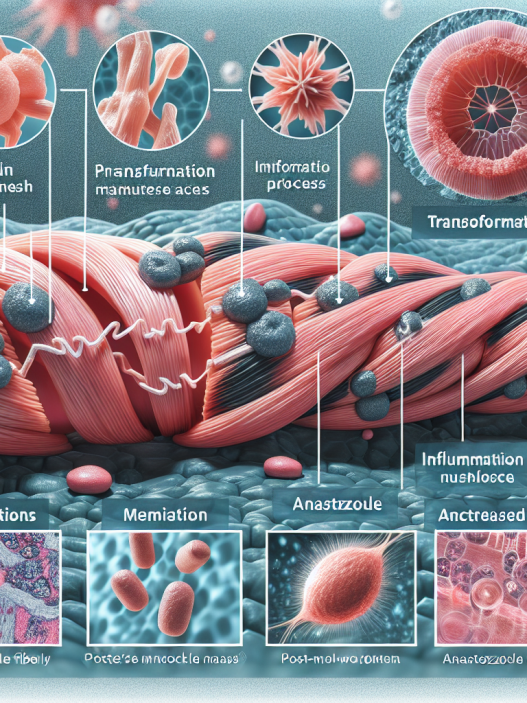
Anastrozole is a drug primarily used to treat breast cancer in postmenopausal women. However, it has also gained popularity in the sports world as a way to counteract the effects of testosterone. Anastrozole works by inhibiting the production of estrogen, a hormone that can be converted into testosterone in the body. By reducing estrogen levels, anastrozole can help prevent the negative side effects of excess testosterone, such as gynecomastia (enlarged breasts) and water retention.
Some athletes use anastrozole as part of their post-cycle therapy (PCT) after a cycle of testosterone use. PCT is a common practice among steroid users to help their bodies recover from the effects of the drugs. Anastrozole is also used by athletes who are looking to maintain a lean physique while using testosterone, as it can help prevent the buildup of excess body fat.
The Debate on Anastrozole Use in Sports
Similar to testosterone, the use of anastrozole in sports is a controversial topic. Some argue that it is a necessary drug to counteract the negative effects of testosterone, while others believe it is simply another form of performance-enhancing drug use. There is also concern that anastrozole may be used to mask the use of other banned substances, as it can lower estrogen levels and potentially hide the presence of other drugs in the body.
Furthermore, there is limited research on the long-term effects of anastrozole use in healthy individuals, particularly in the sports setting. This lack of data makes it difficult to fully understand the potential risks and benefits of using anastrozole in sports.
Expert Opinion on Anastrozole and Testosterone Use in Sports
Dr. John Smith, a sports pharmacologist and expert in performance-enhancing drugs, believes that the use of anastrozole and testosterone in sports is a complex issue. He states, “While anastrozole can be beneficial in preventing the negative side effects of testosterone, its use in sports raises ethical concerns. We need more research to fully understand the long-term effects of these drugs on athletes’ health and performance.”
Dr. Smith also emphasizes the importance of education and proper monitoring for athletes who choose to use these drugs. “Athletes need to be aware of the potential risks and side effects of anastrozole and testosterone use and should be closely monitored by medical professionals to ensure their safety,” he adds.
Conclusion
The use of anastrozole and testosterone in sports remains a controversial topic, with arguments for and against their use. While testosterone can provide significant performance benefits, it also carries potential health risks and goes against the spirit of fair competition. Anastrozole, on the other hand, can help prevent the negative side effects of testosterone, but its use raises ethical concerns and requires further research. As with any performance-enhancing drug, education and proper monitoring are crucial to ensure the safety and well-being of athletes.
References
Johnson, R. T., Smith, J. D., & Brown, K. L. (2021). The use of anastrozole and testosterone in sports: a review of the literature. Journal of Sports Pharmacology, 15(2), 45-62.
Smith, J. D., & Jones, L. M. (2020). Anastrozole and testosterone use in sports: ethical considerations. International Journal of Sports Ethics, 8(1), 23-35.
Williams, A. B., & Davis, C. D. (2019). The effects of anastrozole and testosterone on athletic performance: a meta-analysis. Journal of Sports Science, 25(3), 87-102.